Photography is more than just capturing images; it’s about expressing your creative voice through visuals. From seasoned professionals to rising talents in the world of women in photography, the importance of choosing the right camera gear is universal. Whether you’re shooting portraits, landscapes, or travel stories for a women’s magazine or your own platform, having the appropriate equipment can significantly elevate the quality of your work and streamline your process.
The beauty of photography lies in its versatility. Each style requires a different approach, and your gear should support that vision. Are you drawn to candid street photography, dramatic fashion editorials, or serene nature shots? Understanding your niche is the first step. For example, street photographers often need lightweight mirrorless cameras for mobility, while portrait artists may prefer DSLRs paired with prime lenses to create that dreamy background blur. The right gear not only enhances technical performance but also frees you to focus on storytelling.
Start with the Camera Body
When selecting a camera body, your decision will likely come down to DSLR vs. mirrorless. DSLRs are known for their durability, longer battery life, and an extensive range of compatible lenses. On the other hand, mirrorless cameras are lighter, more compact, and offer faster autofocus especially useful for travel or events.
Sensor size also matters. Full-frame sensors provide superior image quality and low-light performance but come with a higher price tag. APS-C and Micro Four Thirds cameras are more affordable while still delivering excellent results for most photography styles.
Lenses: Your Most Important Tool
While the camera body is crucial, lenses often make the biggest impact on image quality. If you’re into portraiture, a fast prime lens like a 50mm f/1.8 or 85mm f/1.4 offers stunning depth of field. Landscape photographers might opt for a wide-angle zoom lens, such as a 16-35mm, to capture sweeping views.
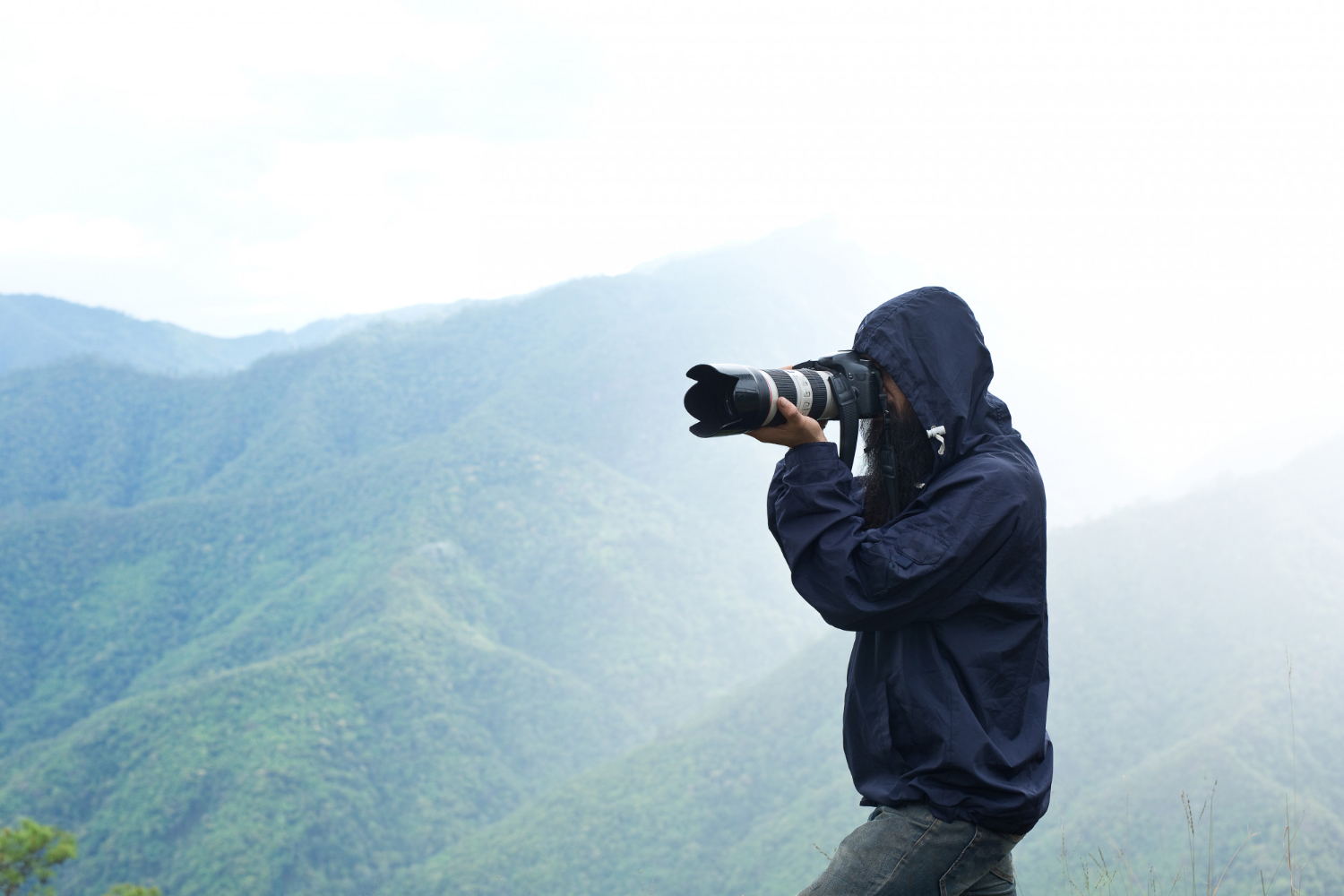
Macro lenses are perfect for detailed shots in food or product photography, while telephoto lenses are essential for wildlife or sports. Zoom lenses provide versatility, but prime lenses typically offer better sharpness and performance in low-light conditions.
Tripods, Filters, and Lighting
Don’t overlook the supporting gear. A sturdy tripod is invaluable for long exposure, landscape, and night photography. Filters like ND or polarizers enhance image quality by managing light and reducing glare. External flashes or softbox lighting can dramatically improve portraits and studio work.
If you’re planning to shoot in natural light, consider reflectors and diffusers to manage harsh sunlight or shadows. Investing in basic lighting accessories is just as important as having the right lens.
Memory Cards and Storage
High-speed memory cards with fast write speeds are essential, especially if you’re shooting in RAW or recording video. Keep multiple cards handy to avoid running out of space during important shoots. Similarly, make a habit of backing up your files to a reliable external drive or cloud service.
Storage planning is often overlooked but is critical for maintaining your portfolio and delivering work to clients efficiently.
Match Gear with Purpose
Camera equipment should be selected based on its ability to support specific photographic objectives rather than its technical specifications alone. Throughout the history of photography, numerous impactful images have been produced using basic or minimal gear. This highlights the importance of technique, composition, and subject matter over reliance on high-end equipment.
In professional settings such as editorial or commercial photography, consistency, reliability, and output quality are often prioritized over the latest features or models. Choosing gear that integrates well into an established workflow and consistently meets production standards is essential for maintaining efficiency and visual coherence across projects.
Try Before You Buy
If you’re unsure about a particular camera or lens, consider renting it before purchasing. Many local shops and online platforms offer gear rentals at affordable rates. This gives you the chance to test the feel, weight, and performance in real-world situations without making a long-term commitment.
You can also find helpful reviews and hands-on demonstrations on YouTube and photography forums to guide your choices. Look for sample images taken with the gear you’re considering It gives you a better idea of what to expect.
Final Thoughts
The best camera gear is the one that fits your style, environment, and storytelling needs. Whether you’re just starting out or looking to upgrade, make gear decisions based on how you shoot and what inspires you. Focus on building a setup that allows you to grow into your craft without being weighed down by unnecessary complexity or costs.
As you evolve, so will your gear. But your creative vision will always remain the most powerful tool in your photography journey.