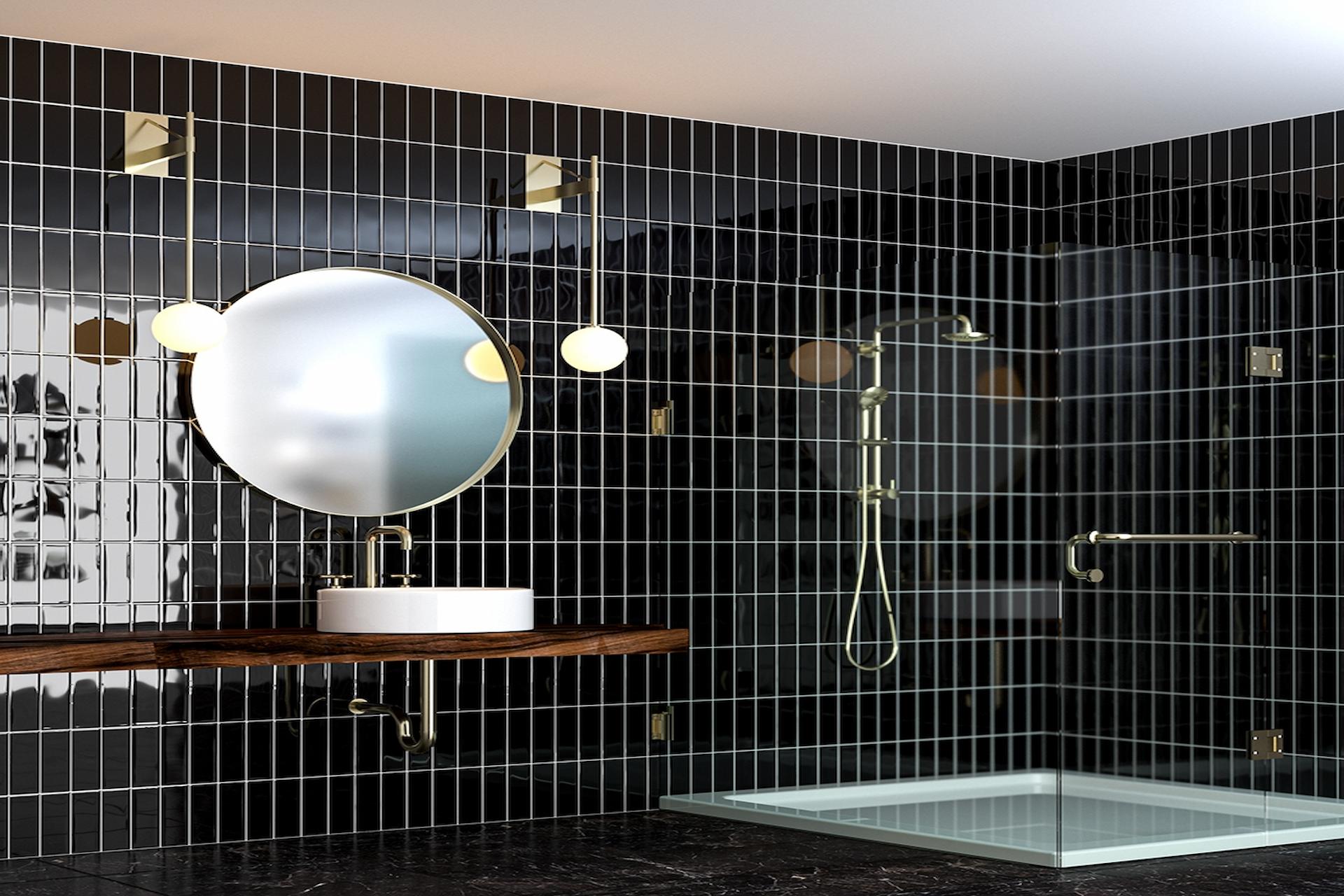
Black tiles have become a defining feature in modern bathroom design, moving well beyond their former reputation as a bold or risky choice. Today, black tiles are used thoughtfully to shape space, introduce contrast and create bathrooms that feel contemporary yet functional. Understanding how black tiles influence style, spatial perception and day-to-day maintenance is key to using them successfully in UK homes.
This article explains the practical and visual impact of black tiles in bathrooms, helping homeowners make informed design decisions rather than relying on trends alone.
The Style Impact of Black Tiles
Black is a grounding colour. In bathroom design, it provides visual structure and clarity, helping to frame features such as baths, showers and vanity units. Rather than competing for attention, black surfaces often act as a backdrop that allows other elements to stand out.
Black bathroom tiles are particularly effective in contemporary interiors because they complement clean lines and simple forms. Whether used in large slabs, geometric shapes or subtle textured finishes, black tiles support a modern aesthetic without needing decorative excess.
Importantly, black does not dictate a single style. It can support:
- Minimalist bathrooms with sharp contrasts
- Industrial-inspired spaces with concrete or metal finishes
- Elegant, hotel-style bathrooms when paired with polished surfaces
The versatility of black tiles lies in how they respond to light, texture and surrounding materials rather than colour alone.
How Black Tiles Affect Space Perception
One of the most common concerns around black tiles is their effect on space. Dark colours absorb light, which can make rooms feel smaller if used without balance. However, this effect is often misunderstood.
Black tiles do not automatically shrink a space. Instead, they define boundaries. When used deliberately, they can actually make bathrooms feel more organised and intentional.
For example:
- Black floor tiles can ground the room and make walls appear taller.
- A single black feature wall can add depth, drawing the eye across the space rather than enclosing it.
- Large black tiles reduce visual clutter by minimising grout lines, helping rooms feel calmer and more spacious.
The key is proportion. Black works best when it shares space with lighter tones rather than replacing them entirely.
Using Contrast to Create Balance
Contrast is essential when working with dark tiles. White or light-coloured sanitaryware, pale walls and reflective surfaces all help balance black tiles visually.
Bathrooms that combine black tiles with neutral tones tend to feel brighter and more comfortable. This contrast also improves usability, making fixtures and surfaces easier to distinguish, particularly in lower-light conditions.
Mirrors play an important role here. Positioned opposite light sources or lighter surfaces, mirrors help reflect light back onto black tiles, preventing the room from feeling closed in.
Tile Finish and Its Visual Effect
Finish has a major influence on how black tiles behave in a bathroom environment.
- Gloss finishes reflect light and add visual movement, making them suitable for walls and feature areas.
- Matt finishes create a softer, more understated look that works well on floors or large wall sections.
- Textured surfaces add depth and reduce flatness, especially in bathrooms that rely heavily on monochrome colour schemes.
Choosing the right finish is not just a design decision; it also affects cleaning and long-term appearance.
Practical Maintenance Considerations
Maintenance is often overlooked when selecting dark tiles, yet it plays a significant role in long-term satisfaction.
Black tiles can show water spots, limescale and soap residue more clearly than lighter colours, particularly on glossy surfaces. This does not make them impractical, but it does mean finish and placement matter.
Matt and lightly textured tiles tend to disguise marks better, especially on floors or in high-use areas. Good ventilation also helps reduce residue build-up by allowing surfaces to dry more quickly.
Routine cleaning with non-abrasive products is usually sufficient. Consistency matters more than intensity — regular light cleaning helps maintain appearance without damaging the tile surface.
Grout Choices and Visual Impact
Grout colour influences both appearance and maintenance.
- Dark grout creates a continuous surface that reduces visible discolouration over time.
- Lighter grout highlights tile layout and pattern but may require more frequent cleaning.
In practical terms, grout selection should align with both design intent and cleaning expectations. For larger tiles, darker grout often provides a cleaner visual result.
Combining Black Tiles with Materials and Textures
Black tiles work best when paired with materials that add warmth or variation. Wood-effect surfaces, stone textures and soft textiles prevent bathrooms from feeling overly stark.
Even small elements such as wooden shelving, fabric bath mats or brushed metal fittings can shift the balance from dramatic to comfortable. These contrasts help black tiles feel intentional rather than overwhelming.
Is Black Right for Every Bathroom?
Black tiles are not unsuitable for small bathrooms, but they do require planning. Rooms with very limited natural light benefit from restrained use of black, focusing on accent areas rather than full coverage.
Larger bathrooms or those with good lighting allow greater flexibility. In these spaces, black tiles can be used more confidently without compromising comfort or openness.
The decision should be based on layout, lighting and lifestyle rather than size alone.
Conclusion
Black tiles offer more than visual drama. When used with intention, they support clarity, contrast and structure in bathroom design. Understanding how they affect style, space and maintenance allows homeowners to use them confidently rather than cautiously.
By balancing black bathroom tiles with light, texture and thoughtful placement, bathrooms can feel modern, practical and well-considered. Rather than dominating the room, black becomes a design tool that enhances both appearance and everyday use.