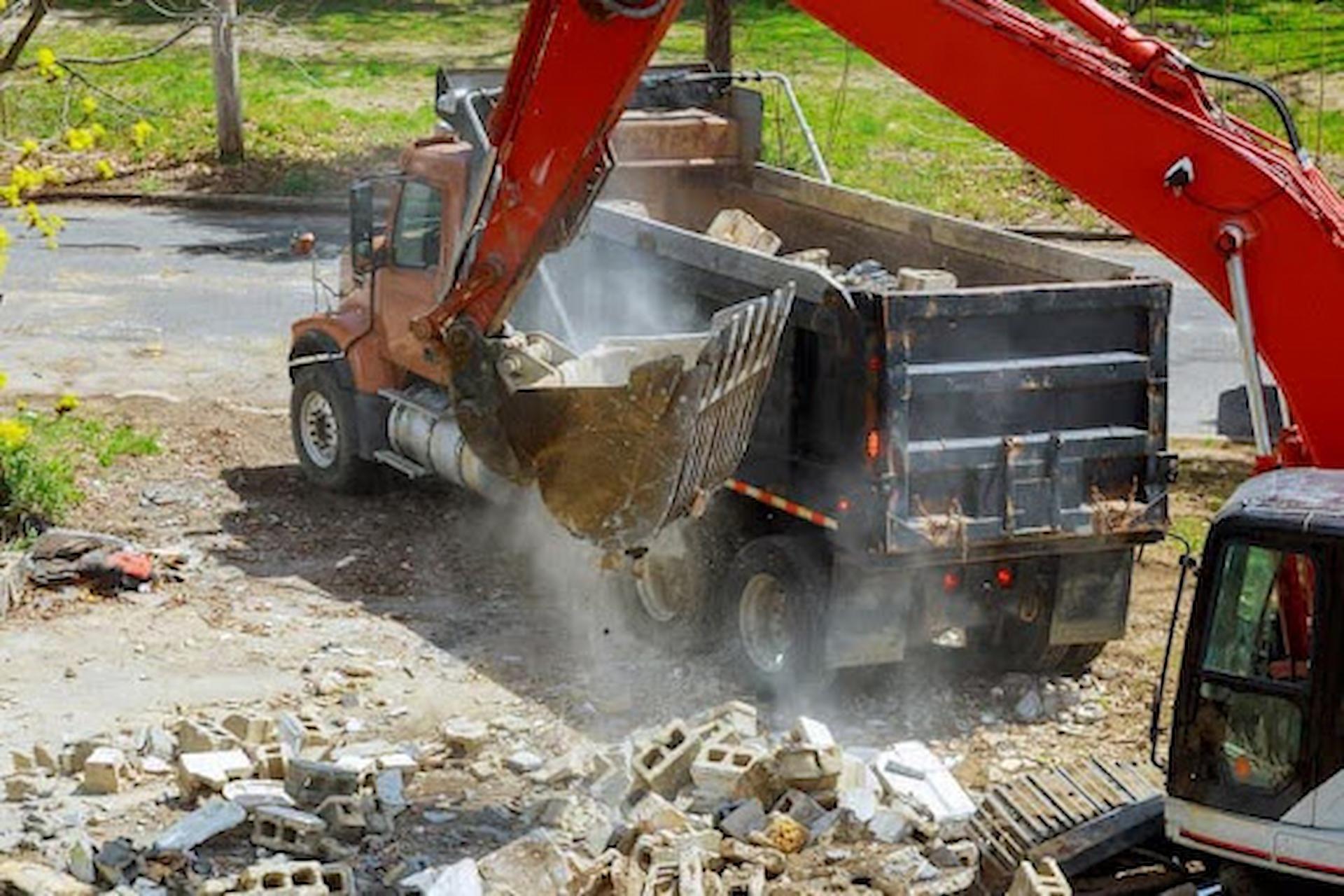
Breaker booms are essential tools for safe and efficient rock breaking in construction and mining. In this guide, we’ll explain how they work, why they matter, and what to consider when using them on-site. Whether you’re managing a small quarry or a large-scale mining project, understanding breaker booms can save time, reduce risk, and improve productivity. Read on for everything you need to know before choosing or operating breaker booms on your site.
In heavy industries like construction, demolition, and mining, breaking through rock is a common challenge. The use of breaker booms makes this job safer and more efficient. These machines are designed to operate in demanding environments, providing stability, reach, and power to handle tough materials. Understanding their purpose, benefits, and proper usage can greatly enhance on-site productivity.
What Are Breaker Booms and Why Are They Important?
Breaker booms are mechanical arms equipped with hydraulic breakers. They’re typically mounted on fixed or mobile bases and positioned over crushers or work surfaces to break oversized materials. Their primary role is to prevent blockages in crushers by breaking large rocks into manageable sizes.
This reduces downtime, improves equipment safety, and lowers operational costs. When materials are too large for crushers, they can cause jams that require time and manpower to resolve. Breaker booms make sure that never happens in the first place.
Breaker booms are ideal for mines, quarries, and construction sites with a high volume of hard rock.
How Do Breaker Booms Work on Site?
The arm of the breaker boom is controlled either manually or remotely. It moves the breaker into position over the target material. Then, using hydraulic force, the breaker strikes repeatedly until the rock breaks apart. The crushed material can then safely enter the primary crusher.
This system not only keeps operators at a safe distance but also reduces the need for explosives or manual hammers, which can be dangerous and inefficient. In high-risk areas, safety is just as critical as performance, and breaker booms deliver both.
Another benefit is that the operator can control the machine from a cabin or remote station, minimising human presence in unstable areas. This is a big advantage in operations where falling rocks or debris are a concern.
Key Benefits of Breaker Booms for Site Productivity
Using breaker booms on-site offers numerous practical advantages. First, they keep machines running smoothly by preventing blockages. This leads to higher output and fewer interruptions. When crushers are blocked, operations must stop, which costs money and time.
Second, they reduce the risk of injury. Manual rock breaking is one of the most dangerous jobs on site. With breaker booms, that task is automated and monitored from a safe distance.
Third, they extend the life of crushers and other equipment. Continuous jamming and forced shutdowns can quickly wear out machines. With breaker booms handling oversized rocks, machines face less stress and last longer. This booms can work for long hours without fatigue, unlike manual labour.
Choosing the Right Breaker Boom for Your Site
Not all breaker booms are the same. Choosing the right one depends on several factors, including the size of your crusher, the hardness of the material, and the available space on site.
For smaller operations, a compact model with a short reach might be enough. For larger projects, you’ll need a heavy-duty unit with extended reach and power. You should also consider how the boom will be controlled. Remote-operated systems are popular because they allow the operator to work from a safe and quiet location.
The foundation and mounting system also play a crucial role. A stable base ensures accurate operation and reduces vibrations, which improves overall performance. It’s wise to consult an expert before investing to ensure compatibility with your existing equipment.
Best Practices for Safe and Efficient Operation
Once installed, breaker booms should be used correctly to ensure maximum benefit. Operators must be trained to position the breaker properly and apply the right amount of force. Overuse can lead to early wear and damage.
Regular maintenance is key. Hoses, joints, and the breaker itself must be inspected often for signs of stress or leaks. A well-maintained boom will last longer and perform better.
Site managers should create clear guidelines for when and how to use the breaker boom. Avoiding overuse and ensuring proper safety checks can help reduce downtime and repair costs. Breaker booms require a maintenance schedule to prevent oil leaks and wear.
Future Trends in Breaker Boom Technology
Technology is evolving fast, and breaker booms are getting smarter and safer. Newer models offer improved reach, faster response times, and built-in sensors. These sensors help detect material resistance and automatically adjust the breaker force.
There is also a growing emphasis on energy efficiency. Modern machines are designed to use less hydraulic fluid and reduce fuel consumption, enabling operators to meet environmental standards. This also lowers running costs.
Smart systems can track usage data and predict when maintenance is needed, which helps prevent surprise breakdowns. These trends indicate that breaker booms will continue to be a key component of site operations for years to come.
Final Thoughts
Breaker booms have become an essential part of site management in mining, quarrying, and heavy construction. They make rock breaking faster, safer, and more efficient. With fewer blockages, less downtime, and improved safety, the benefits are clear.
To achieve the best results, select the right model, train your staff effectively, and implement a robust maintenance plan. As technology advances, breaker booms will only become more capable, helping businesses boost output while keeping their teams safe.