Creating a home sauna is more than just adding a luxury feature. It requires careful planning, technical precision, and full compliance with safety standards. From electrical systems to ventilation and building regulations, each element plays a critical role in ensuring the sauna is safe, efficient, and long-lasting. Whether you are considering a traditional sauna or a steam room Installation, understanding what goes into the process helps you make informed decisions and avoid costly mistakes.
Below is a clear breakdown of what a professional home sauna installation entails, explained in a simple, practical way.
1. Electrical Requirements and Safety Considerations
A home sauna relies heavily on a properly installed electrical system. Sauna heaters, especially electric ones, require a dedicated circuit with sufficient capacity to handle high power loads. This is not a standard plug-and-play setup. A qualified electrician will assess your property’s electrical capacity, install appropriate wiring, and ensure proper grounding.
Safety devices such as residual current devices (RCDs) are essential to prevent electrical hazards. Wiring must also be heat-resistant and installed away from direct exposure to high temperatures. In many cases, professional installers coordinate with electricians to ensure the system meets national electrical standards and operates efficiently without overloading your home’s power supply.
2. Proper Ventilation for Comfort and Efficiency
Ventilation is often overlooked, but it is one of the most important aspects of a sauna installation. Without proper airflow, heat distribution becomes uneven, and moisture can build up, leading to long-term structural issues.
A well-designed ventilation system allows fresh air to enter while removing excess humidity. This keeps the environment comfortable and prevents mould or condensation damage. For steam-based setups, including Steam room Installation, ventilation becomes even more critical due to higher moisture levels. Proper airflow ensures a consistent experience while protecting surrounding materials and maintaining indoor air quality.
3. Insulation and Heat Retention
Effective insulation is what allows a sauna to reach and maintain the desired temperature efficiently. Professional installers use specialised insulation materials designed to withstand high heat while preventing energy loss.
Walls, ceilings, and sometimes floors are insulated to ensure heat stays inside the sauna rather than escaping into surrounding areas. A vapour barrier is also installed to prevent moisture from penetrating structural surfaces. This combination improves energy efficiency, reduces running costs, and ensures the sauna heats up quickly and evenly.
4. Structural Design and Material Selection
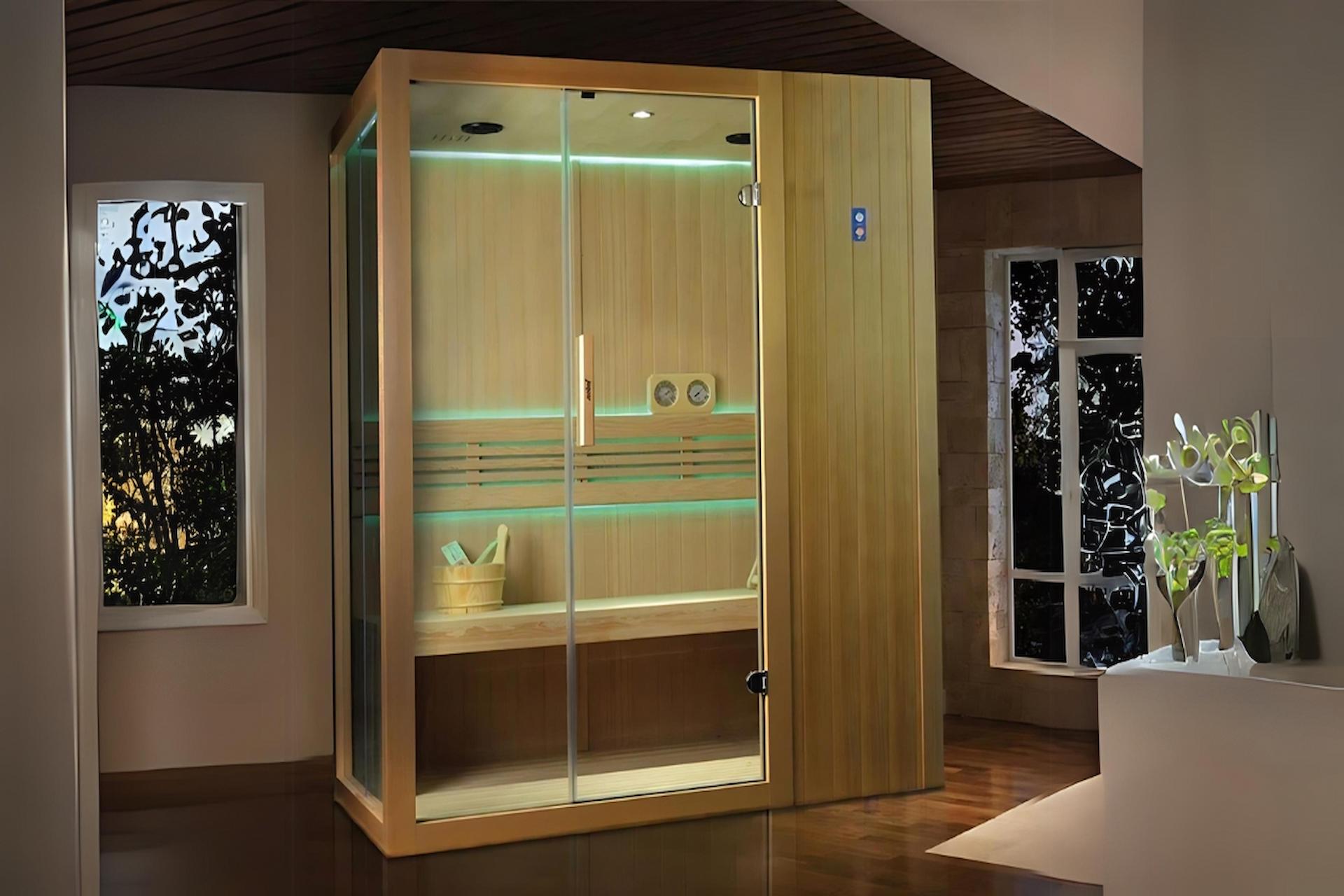
The structure of a sauna must be built using materials that can tolerate high temperatures and humidity. Timber is commonly used, but not all wood types are suitable. Professional installations typically use heat-resistant woods such as cedar, hemlock, or spruce, which do not warp or release harmful resins.
The design also includes bench placement, door positioning, and interior layout to maximise comfort and usability. Glass doors are often tempered for safety, while seating is arranged to allow optimal heat exposure. Every element is chosen to balance durability, aesthetics, and functionality.
5. Compliance with Building Regulations
Installing a sauna is not just a design project; it must comply with local building regulations. These regulations ensure that the installation meets safety, structural, and energy standards.
Professionals will check requirements related to electrical work, ventilation systems, fire safety, and structural modifications. In some cases, permits may be required before installation begins. Compliance ensures that your sauna is legally approved and reduces the risk of issues during property inspections or future renovations.
6. Moisture Management and Waterproofing
Moisture control is especially important in steam environments. Without proper waterproofing, surrounding walls and floors can suffer long-term damage. Professional installers use waterproof membranes and sealants to protect surfaces from steam exposure.
Drainage systems may also be included, particularly in steam room setups. This ensures excess water is managed effectively and does not accumulate. A well-executed moisture management system extends the lifespan of the installation and prevents hidden structural problems.
7. Heating System Selection and Installation
Choosing the right heating system is a key decision. Traditional saunas use electric or wood-burning heaters, while modern setups may include infrared technology. Each option has its own installation requirements and performance characteristics.
Professionals assess the size of the sauna, insulation levels, and user preferences before recommending a suitable system. The heater must be installed in a safe location with proper clearances and controls. Accurate installation ensures consistent temperatures, efficient energy use, and a comfortable experience.
8. Professional Installation vs DIY Approach
While some homeowners consider a DIY approach, professional installation offers significant advantages. Experts bring technical knowledge, experience, and compliance awareness that are difficult to replicate independently.
From electrical setup to ventilation and structural design, each step requires precision. Mistakes can lead to safety risks, inefficiency, or costly repairs. A professional approach ensures everything is installed correctly from the start, providing peace of mind and long-term reliability.
FAQs
What electrical work is required for a home sauna installation?
A home sauna requires a dedicated electrical circuit capable of handling high power loads. This typically includes specialised wiring, proper grounding, and safety devices such as RCDs. A qualified electrician ensures the system meets safety standards and integrates correctly with your home’s existing electrical setup.
Why is ventilation important in a sauna?
Ventilation ensures proper airflow, which helps maintain consistent temperatures and prevents excess moisture buildup. Without it, the sauna can become uncomfortable and may develop mould or condensation issues. Good ventilation also improves air quality and extends the lifespan of the structure.
Do I need permission to install a home sauna?
In many cases, yes. Building regulations may require permits, especially if electrical work or structural changes are involved. Professional installers usually handle compliance checks to ensure the installation meets local safety and construction standards.
What materials are best for building a sauna?
Heat-resistant woods such as cedar, hemlock, and spruce are commonly used. These materials can withstand high temperatures without warping or releasing harmful substances. They also contribute to the overall durability and appearance of the sauna.
How is a steam room different from a traditional sauna installation?
A steam room operates at lower temperatures but higher humidity compared to a traditional sauna. This means it requires enhanced waterproofing, ventilation, and moisture control systems. The installation process is more focused on managing steam and preventing water damage.
Conclusion
A professional home sauna installation involves far more than assembling a heated room. It requires careful attention to electrics, ventilation, insulation, structural design, and regulatory compliance. Whether you are planning a traditional sauna or a Steam room Installation, every detail contributes to safety, efficiency, and overall performance.
Investing in expert installation not only enhances the quality of your sauna experience but also protects your property. By understanding the process, you can approach your project with confidence and achieve a result that is both functional and built to last.Steam room Installation